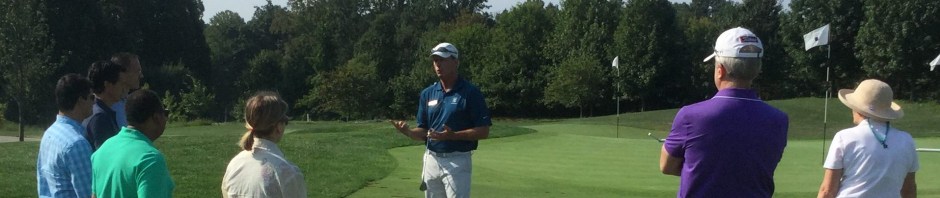

Hi, Fran Rhoads here, PGA Coach and Founder of Flight Deck Putting. My experience spans over 40 years of coaching, playing and learning from Top PGA Tour players and Top putting coaches like Stan Utley, Dr. Craig Farnsworth, Jong Hwan Choi, Marius Filmater and many more. Players I have coached putting have wins on the PGA, Korn Ferry and Champions Tours. No matter the level of student’s ability, I always keep these 4 keys at the top of my checklist.
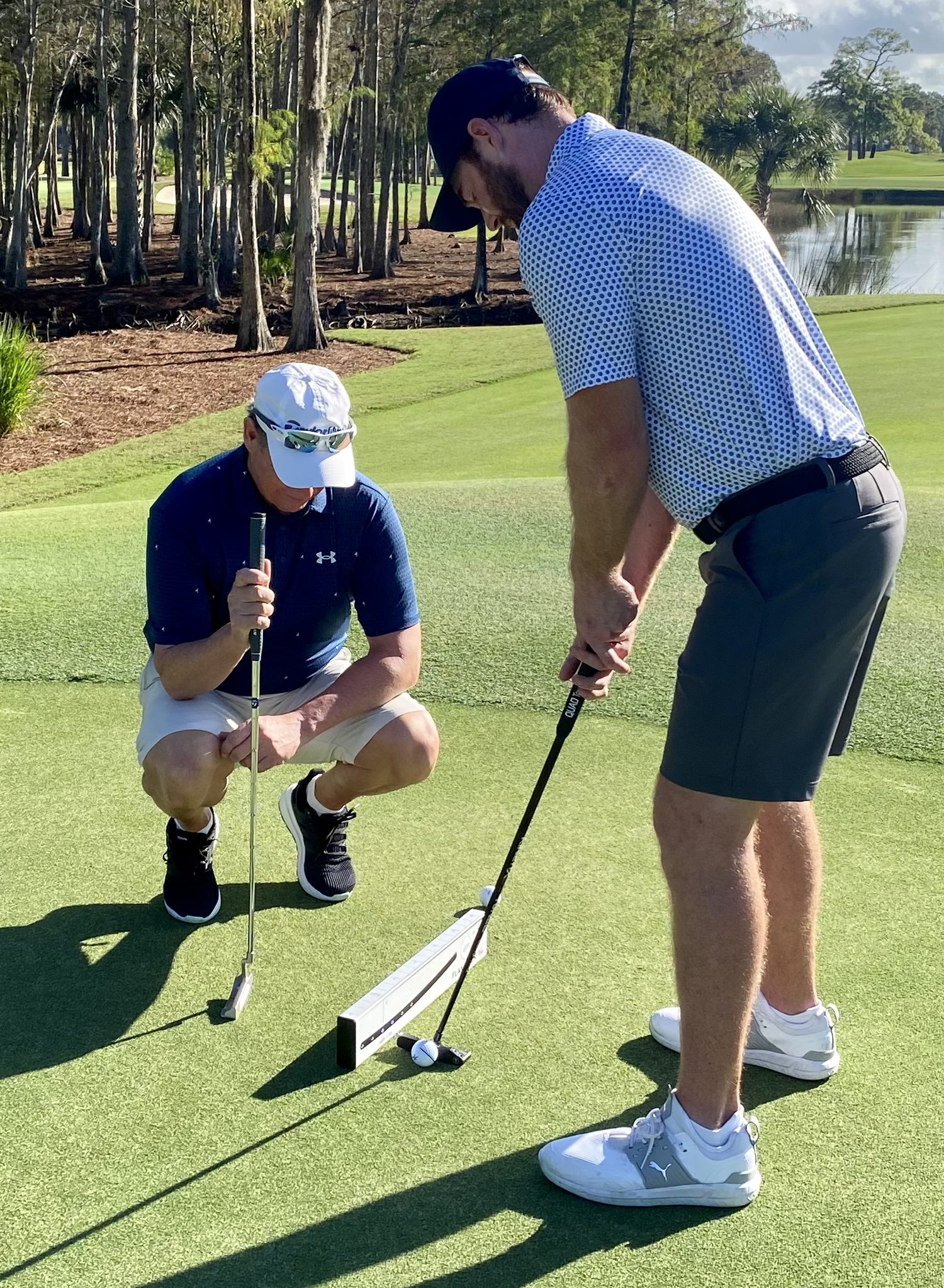
Setup and Alignment: Like any golf shot, it is imperative that golfers have a consistent pre-shot or pre-putt routine. When I work with a new student on their putting, I start with a video of their pre-putt routine to see how it fits the student, how well they aim the putter and use their eyes. Once the read for break and speed is made, that will determine the start line. I coach my students to set the putter head squarely to the start line behind the ball first, then set feet and body alignment, set grip, take another look at your target and then go. I feel it is a mistake to set your feet and body position before setting the putter down. To simplify, think, set club, set feet, set grip! Note: There are many different grip methods to use, find one that works for you and stick with it! I have used the same putting grip for over 45 years and still putt very well at my age!
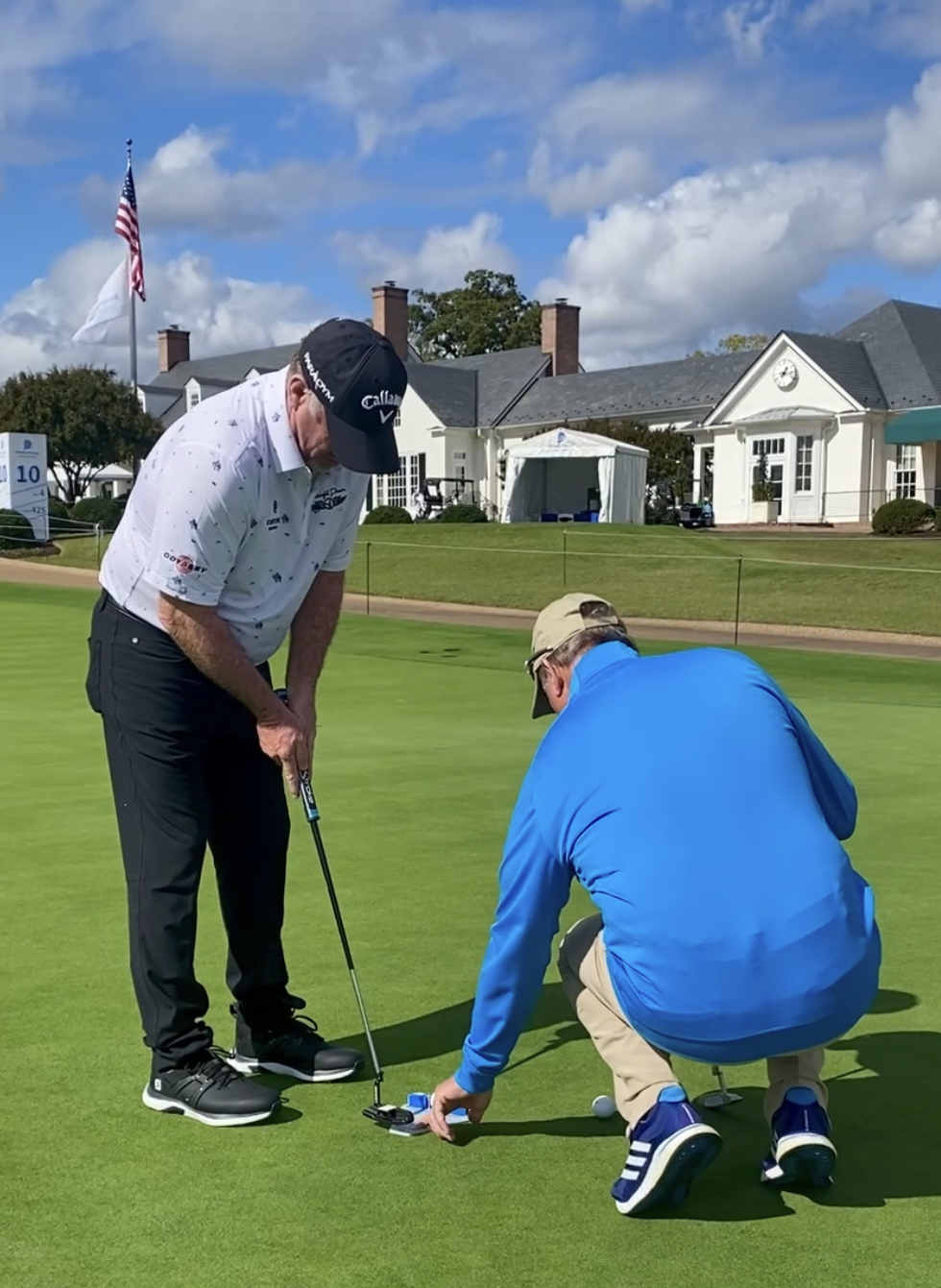
Stroke Type: I like to see and use a stroke that maximizes momentum over force. This means a stroke that uses the weight of the putter, is in rhythm, has enough length and is stress free. Rhythm must remain consistent no matter the length of putt. This rhythm should complement a player’s natural full-swing timing. The best putters use a stroke that “lands” the putter onto the ball and are cruising vs accelerating into impact.
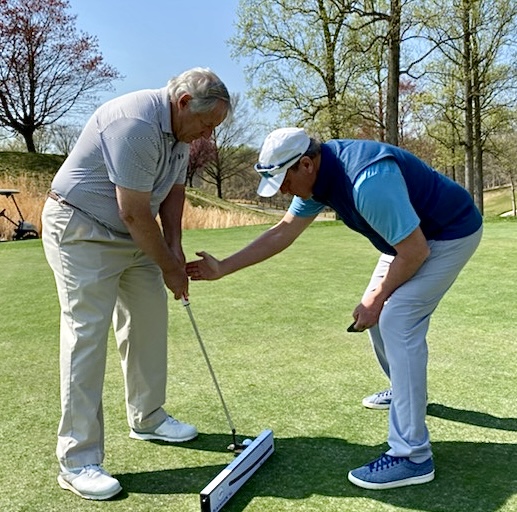
Stroke control: Is your stroke the appropriate length and speed for the distance of the putt? To me, this is what a practice stroke is for – to feel and find the right stroke length and energy. It is not a math equation for me as a natural feel player although I realize it can be for some. One of the common mistakes golfers make is a backstroke that is too short. Short backstrokes lead putts left short or over acceleration through impact resulting in loss of line and speed. Remember, if a putt is 15 feet long, you need enough stroke to roll it just over 16 feet. It is good to practice hitting putts 12 to 18 inches past the hole. That is the proper speed to keep the ball on the line and without excessive speed causing edge putts to lip out vs lip in. The path of your putter will have a slight arc. This is natural, don’t fight it or force it! Path has a minimal effect on ball direction, most of the direction, (93%) is determined by face angle at impact. A poor path however, can lead to problems like poor contact, poor launch and spin which can be devastating.
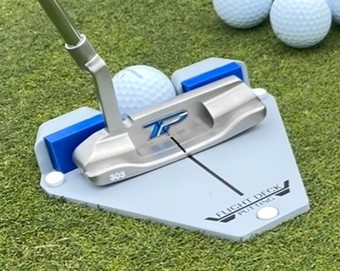
Impact Position: Impact is the most important position in golf and putting is no different! Without a solid strike and square putter face angle at impact, your chances of hitting the start line and making the putt are close to zero. When practicing, always focus on solid impact and a square impact face angle. Science confirms that impact face angle determines approximately 93% of your initial ball direction making the putter path minimal at approximately 7%. This is the reason I developed the Flight Deck Tour impact trainer. The Flight Deck enhances face angle impact position and trains solid contact, two crucial elements for good putting!
Fran Rhoads, PGA
2011 MAPGA Teacher of the Year
Founder – Flight Deck Putting
For Lesson Information visit: https://franrhoadsgolf.com/

